Author: Steve Sabean

  • Hydrogen – The fuel of the future

    Hydrogen fuel cells have long been seen as a potential alternative to fossil fuels, particularly in the transportation sector. These fuel cells convert hydrogen gas into electricity through a chemical reaction, emitting only water vapor as a by-product. While hydrogen fuel cells have been around for decades, their adoption has been limited.

    However, in recent years there has been increasing interest in the potential of hydrogen as a clean and renewable energy source. Many experts believe that hydrogen fuel cells could play a key role in the transition to a low-carbon economy. Canada is positioning to become a leader in the field of clean energy technology like hydrogen. On November 8, 2022, the Government of Alberta announced an investment of $300 million through the Strategic Innovation Fund to advance clean energy in Canada. The investment will help Alberta become a hub for hydrogen production in Canada.

    One of the biggest advantages of hydrogen fuel cells is their efficiency. Traditional internal combustion engines, which run on gasoline or diesel, have an efficiency rate of around 30-40%. In contrast, hydrogen fuel cells can achieve an efficiency rate of up to 60%. This means that they can convert a greater percentage of the energy stored in hydrogen into usable electricity, making them a more efficient and potentially cost-effective alternative to fossil fuels.

    Another major advantage of hydrogen fuel cells is their potential for use in a wide range of applications. They can be used to power vehicles, as well as stationary power systems, such as backup generators and microgrids. They can also be used in remote or off-grid locations where access to electricity is limited.

    However, there are still significant challenges to the widespread adoption of hydrogen fuel cells. One of the main challenges is the high cost of production. Currently, most hydrogen is produced using natural gas, which generates greenhouse gas emissions. Natural gas-based hydrogen production with carbon capture and storage is referred to as “blue hydrogen”. While there are emerging technologies that can produce hydrogen using renewable energy sources, referred to as “green hydrogen”, these technologies are still expensive and not yet widely available.

    In addition to the high cost of production, there is also a lack of infrastructure for hydrogen fuel cells. This includes a lack of filling stations for hydrogen-powered vehicles, as well as a lack of storage and distribution systems for hydrogen gas. Without this infrastructure, it is difficult for consumers to access and use hydrogen fuel cells.

    Safety is another concern when it comes to hydrogen fuel cells. Hydrogen is a highly flammable gas, and there have been incidents in the past where hydrogen-powered vehicles have caught fire. While the risk of such incidents can be minimized through proper handling and storage, there is still a perception among some people that hydrogen fuel cells are not safe.

    However, the future of hydrogen fuel cells looks promising. It is possible that hydrogen fuel cells will replace fossil fuels altogether in the transportation sector. With further technological advancements and the expansion of infrastructure, hydrogen fuel cells could become widely available and cost-effective alternative to gasoline and diesel.

    With continued investment and research, it is likely that hydrogen energy will play a major role in lowering carbon emissions and the eventual transition to a net-zero economy by 2050.
  • Carbon offset or REC

    Many companies are creating targets to achieve net-zero carbon emissions. Sustainability plans are becoming more aggressive as companies realize the benefit of these goals. Not only will greenhouse gas reductions help the environment, carbon reduction goals show customers and other stakeholders that they are environmentally responsible. Carbon reduction goals also combine well with broader ESG goals.  

    Currently carbon reduction is voluntary in Ontario. Most likely there will soon be a time where carbon reduction will be mandatory similar to many other jurisdictions.   

    Some organizations voluntarily commit to become carbon neutral or ‘net-zero’. This means they commit to reduce their emissions through energy efficiency and reduction, and compensate for any remaining emissions with carbon offsets or RECs.   Carbon offsets and Renewable Energy Certificates (RECs) can be used to achieve sustainability goals, but should not be the only steps taken to reduce a company’s carbon footprint. To achieve net zero, carbon offset products should be considered for quick success while other projects are pursued.  

    Carbon offsets are created from projects that lower, remove or avoid emissions. RECs are achieved from projects that generate electricity from renewable sources.   Typically carbon offsets are used as the ‘last mile’ for a company to ‘offset’ its use of fossil fuels such as natural gas, diesel, and propane. RECs can be paired with electricity purchases to achieve carbon neutrality for all electricity usage.
  • ICI Adjustment Period 2021-2022

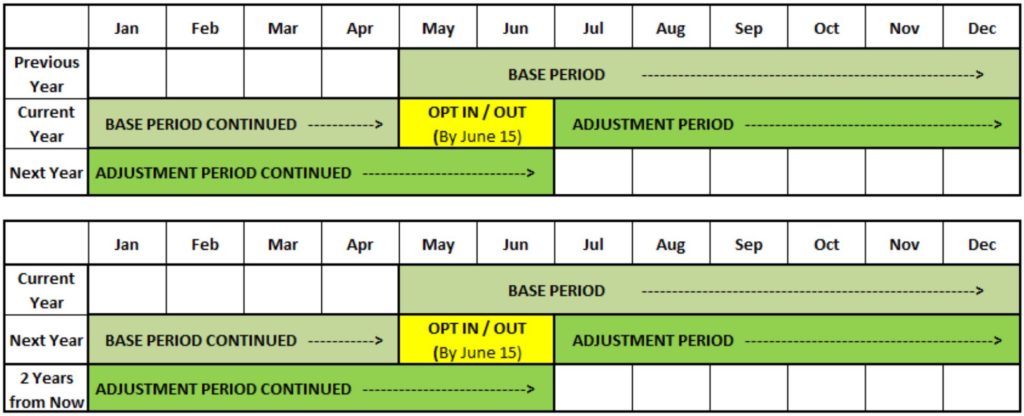
    Beginning July 1st the new ICI adjustment period begins. Typically the monthly Global Adjustment charge is based on the peak demand factor calculated from the previous May to April time period. This year, because of the hiatus, the peak demand factor is the same as the previous year. For full ICI timeline, see chart above.

    Source:

    https://www.hydroone.com/business-services/commercial-industrial-generators-and-ldcs/commercial-industrial-customers/industrial-conservation-initiative

    https://www.ieso.ca/sector-participants/settlements/global-adjustment-class-a-eligibility

  • Federal Carbon Tax Increase April 1

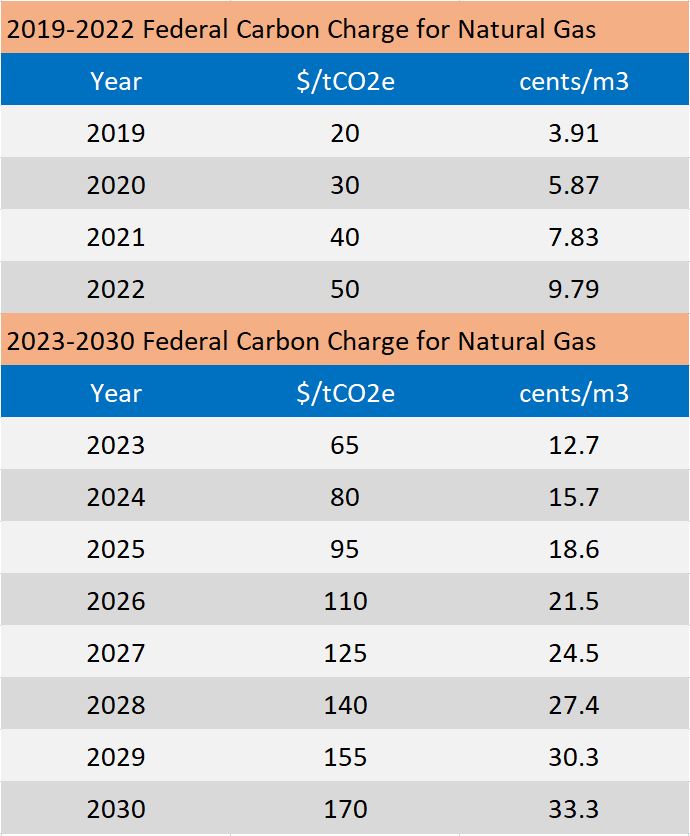
    In 2019, the federal government implemented a carbon pricing program in Ontario. As part of this program, a carbon charge applies to fossil fuels sold in Ontario, including natural gas. The amount added to your natural gas bill in 2019 was 3.91 cents per cubic metre (m3). On April 1, 2021, the federal carbon charge for natural gas increased to 7.83 cents per cubic metreThis charge will increase annually each April.

    In December 2020 the federal government proposed to increase the price on carbon by $15 per tonne, per year, to a total of $170 per tonne by 2030, starting in 2023. You can see how the price changes each year in the chart above.

    Source: https://www.enbridgegas.com/Natural-Gas-and-the-Environment/Enbridge-A-Green-Future/Federal-Carbon-Pricing-Program

  • Save on Energy Conservation and Demand Management Framework set to be Extended to 2024

    Ontario offers a suite of conservation and demand management (CDM) programs under the Save on Energy banner and operated by the IESO. Save on Energy provides incentives and tools to help customers manage their electricity usage and costs.
    Businesses can now apply for retrofit incentives through the Save on Energy program. There are two types of project applications available:

    1. Prescriptive track applications are ideal for quick system upgrades. Incentive levels are based on a predefined amount with applications that are easy to follow and have a fast turnaround.
    2. Custom track applications are designed to provide flexibility for more comprehensive projects, with opportunities for increased energy savings.

    Although the Independent Electricity System Operator (IESO) was directed to discontinue the previous 2015-2020 CDM framework in early 2019, Ontario is committed to providing customers with stability and predictability in CDM programming for the post-2020 period.

    The new proposed CDM program, announced on July 23rd, 2020,  would launch on January 1, 2021 for a four-year term to December 31, 2024, with a mid-term review at the end of 2022.

    Projects that are eligible under the Retrofit program are those that provide sustainable, measurable and verifiable reductions in peak electricity demand and electricity consumption.

    Examples include:

    • Lighting retrofits
    • Lighting controls
    • HVAC redesign
    • Chiller replacement
    • Variable-speed drives

    The IESO released its last Annual Planning Outlook (APO) in January 2020. The APO forecasted capacity needs of approximately 2,000 megawatts (MW) starting in 2023 and growing slowly through 2040.

    Source: https://ero.ontario.ca/index.php/notice/019-2132

  • Global Adjustment PDF Frozen until 2022

    Late Friday, June 26th, 2020, the Ontario government announced that Ontario electricity customers on Class A will have their Peak Demand Factors (PDF) frozen until 2022.

    This policy change means that for current customers participating in the Industrial Conservative Initiative (ICI), any curtailment action made between May 1, 2020 and April 30, 2021 will have no impact on a company’s PDF for next year.  The Base Period to establish a new PDF for the 2022-2023 Adjustment Period will begin on May, 2021 as usual.

    The intent of this announcement is to allow Ontario companies to increase production and get employees back to work without a fear of high electricity prices. The justification is that provincial demand has been below average because of COVID-19 and forecasted Ontario electricity demand will still be less than available supply.

    Although this may ease the burden of some of the 1300 customers that opted-in to the ICI program, many of the participating companies have made large investments in equipment such as batteries or generators. The mandatory change will delay the return on investment for these pro-active companies.

    A more prudent change would have been to give class A companies the option of freezing their PDF for a year, or continuing to actively manage the Ontario demand peaks to lower their electricity costs in the future.


    Ontario news release:

    https://news.ontario.ca/mndmf/en/2020/06/ontario-provides-stable-electricity-pricing-for-industrial-and-commercial-companies.html

  • ICI Class A opt-in deadline June 15

    The Industrial Conservation Initiative (ICI) is a great way for companies to reduce their Global Adjustment (GA) charges.

    The base period (the 1-year term used to calculate a company’s peak demand factor) ended April 30, 2020. Companies can now compare what they saved (or would have saved) on class A versus class B to make the decision about what rate to choose for the next adjustment period: July 1, 2020 – June 30, 2021.

    Any facility with an average peak demand above 1 MW is eligible to opt into the ICI program. Facilities with an average peak demand between >500 KW and <1000 KW service must also be classified under NAICS codes commencing with one of the following two digits “31”, “32”, “33” (manufacturing), or “1114” (greenhouse, nursery, floriculture production)

    A facility’s Peak Demand Factor (PDF) is calculated by dividing its total five coincident peaks by the total five system peaks over the base period.

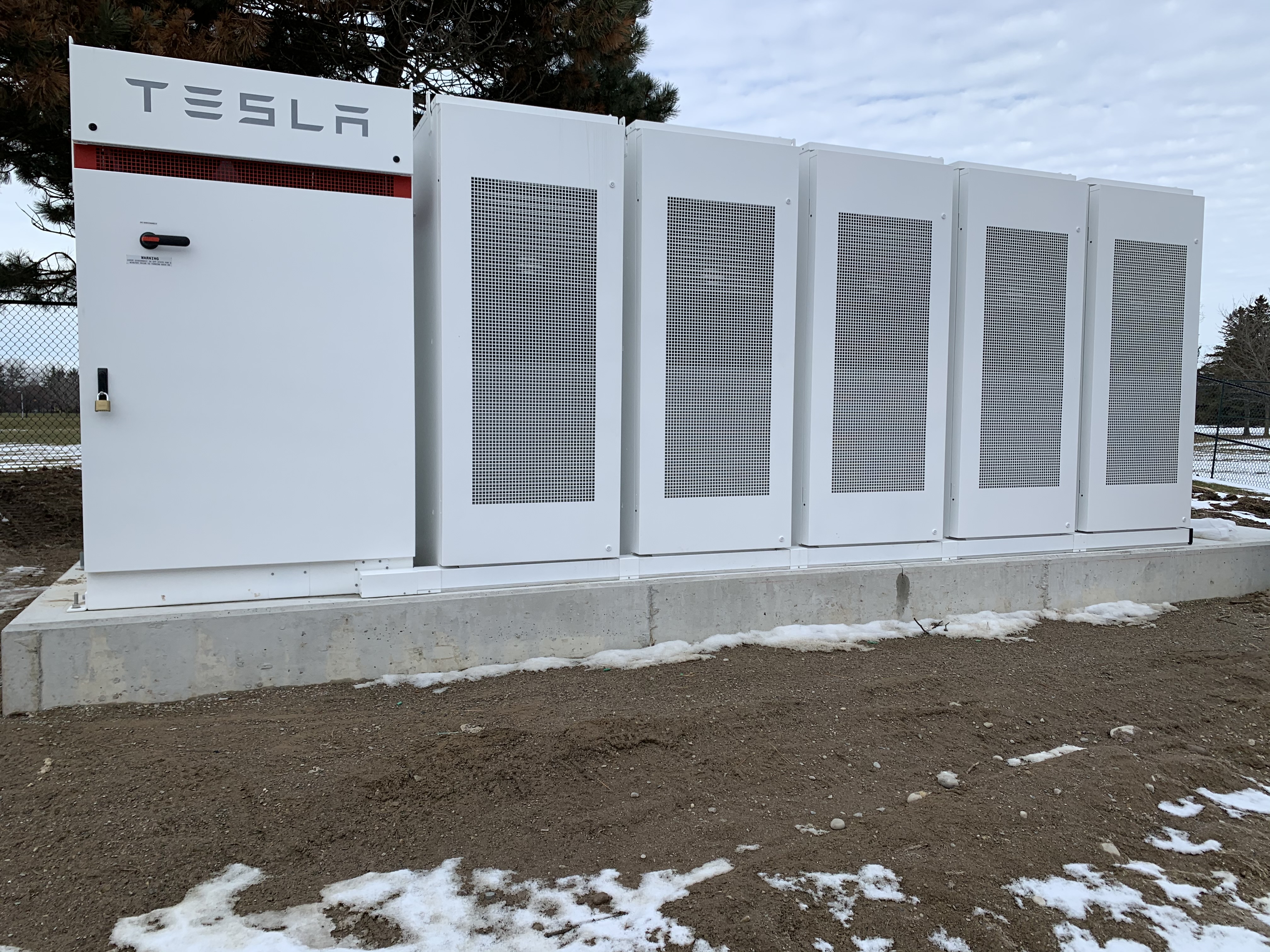
    A company can usually lower their Global Adjustment charges by simply opting into class A. However by actively managing the five coincident peaks with peak prediction software, a company can save even more. For companies willing to make long term commitments they could reduce their GA by up to 100% with a Battery Energy Storage System or onsite generation.

    Here is a free peak forecaster from the IESO:

    http://www.ieso.ca/Sector-Participants/Settlements/Peak-Tracker


    Because of COVID-19, the Ontario government is providing temporary relief on the cost of power. A portion of the Global Adjustment charge has been deferred for April, May and June 2020. Class A customers will receive a reduction in Global Adjustment charges proportionate with the reduction received each month by non-Regulated Price Plan Class B customers. The Class B rate will not exceed $115/MWh.

    The Class A deferred amount for April is $303,010,758.48.


    Source: www.ieso.ca/en/Sector-Participants/Settlements/Global-Adjustment-for-Class-B

  • New Daily Power Demand Curve Caused By COVID-19

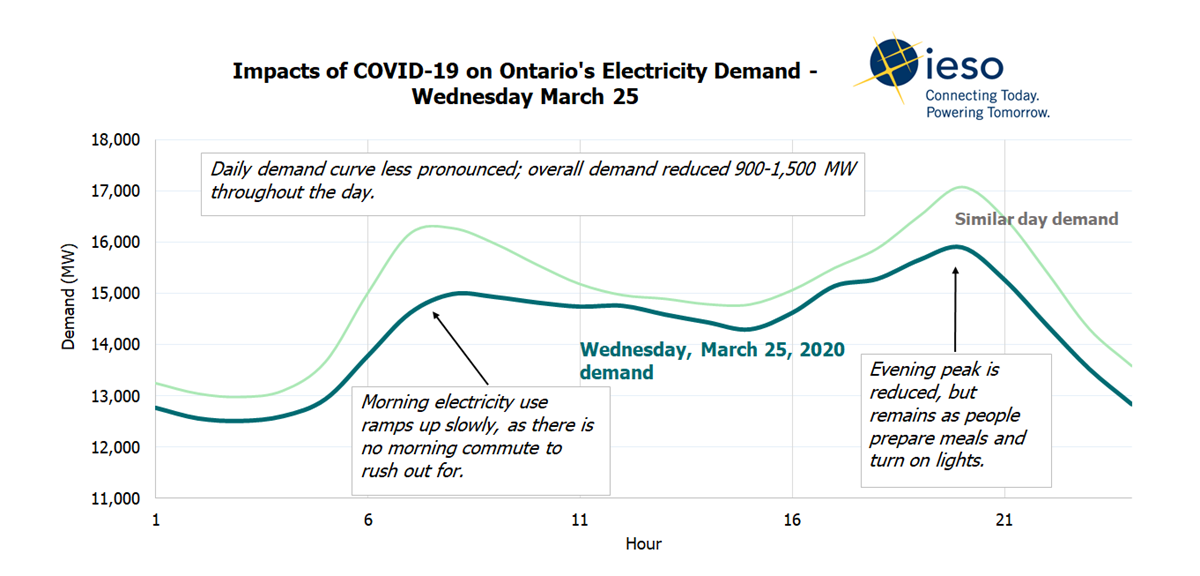
    COVID-19 is affecting our lives in every way. Fortunately our electricity, natural gas and water are still available when we need them. That doesn’t mean our utilities have not been impacted. Electricity demand has decreased with the spread of  COVID-19.
    Not only has demand decreased, but with businesses temporarily closing and the new Work-From-Home environment, the hourly demand curve has changed. Morning electricity use ramps up slowly with changing schedules and the evening peak is reduced because people are not arriving home from work as they normally would after the traditional evening rush hours.

    Class A customers have enjoyed enormous benefits over the last few years as they reduced their usage during the five provincial peak demand hours. This year may be different as the “new normal” for Ontario peak demand continues throughout the summer.

    Contact GoEnergy to learn more about Ontario Peak Predictions

    Source: http://www.ieso.ca/en/Sector-Participants/IESO-News/2020/03/A-message-to-our-partners-and-stakeholders-from-IESO-President-and-CEO-Peter-Gregg

  • Construction Of The Keystone XL Pipeline Will Begin

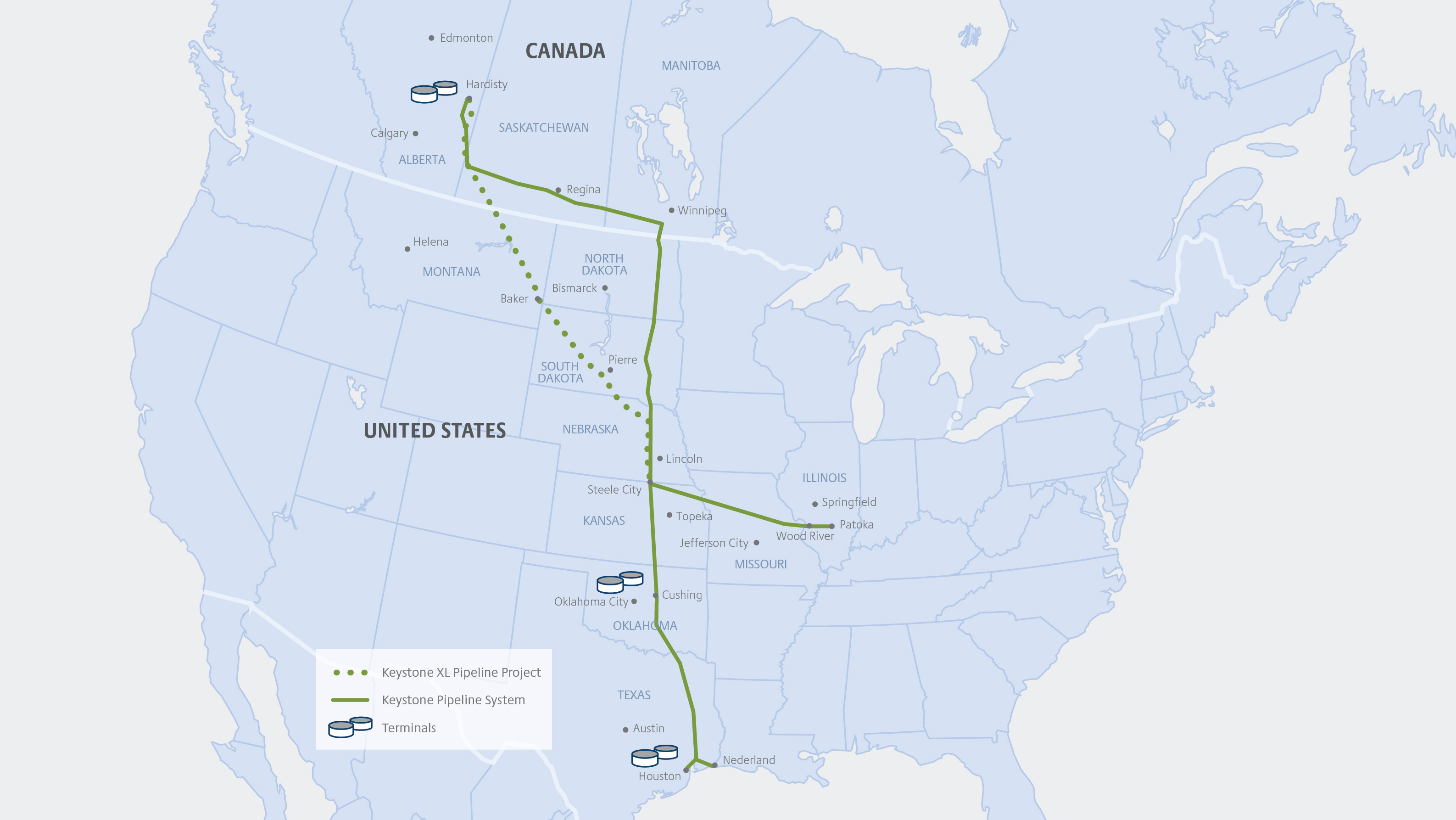
    The Keystone XL oil pipeline will inject US$8 Billion into the North American economy. The project will create 13,200 high-quality jobs and is expected support 17,000 direct and indirect jobs in Canada.

    The pipeline, from Alberta to Nebraska, will be 1947 km long and will carry 830,000 barrels per day. Once the oil reaches Nebraska, connections with existing facilities will take the commodity to the U.S. Gulf Coast refineries.

    The Canadian National Energy Board approved the pipeline in March 2010, however the project has been battling controversy ever since. Fossil fuel affect on the environment, fear of oil spills, and litigation from various groups have all contributed to the delays.

    The Alberta government sees the Keystone XL pipeline as critical to the future health of the Alberta economy. The pipeline is expected to be operational in 2023.

    Source: https://www.tcenergy.com/announcements/2020-03-31tc-energy-to-build-keystone-xl-pipeline/

  • IESO 2018 Electricity Data

    The Independent Electricity System Operator (IESO) recently released year end data for Ontario’s electricity system. There are sufficient resources to maintain reliability through 2019, but there is a potential need for new electricity supply in Ontario as early as 2023.

    Also in the report are the following highlights:

    • Total energy demand in 2018 was 4% higher than the previous year
    • more than 93 percent of electricity generated in Ontario came from non-greenhouse gas emitting resources (nuclear, hydro, wind and solar)
    • The weighted average wholesale price of electricity – the Hourly Ontario Energy Price (HOEP) – for 2018 was 2.43 cents/kilowatt-hour (kWh). The estimated 2018 Global Adjustment (GA) Class B rate as of January 17, 2019, was 9.07 cents/kWh. The total cost of power for Class B consumers, representing the combined effect of the HOEP and the GA, was 11.50 cents/kWh
    • Ontario continued to be a net exporter, importing 8,438 GWh and exporting 18,591 GWh in 2018

    http://ieso.ca/en/Corporate-IESO/Media/Year-End-Data